
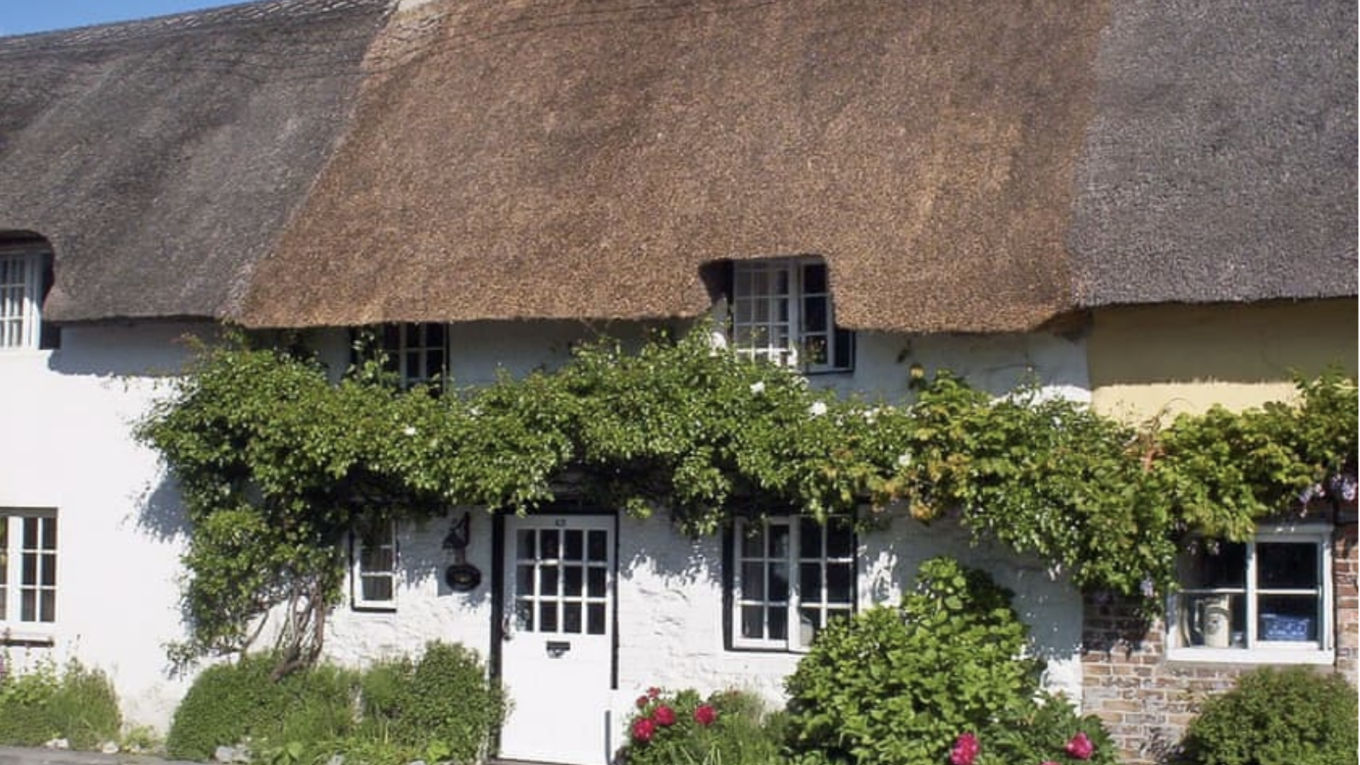
Community life within Winfrith-Newburg
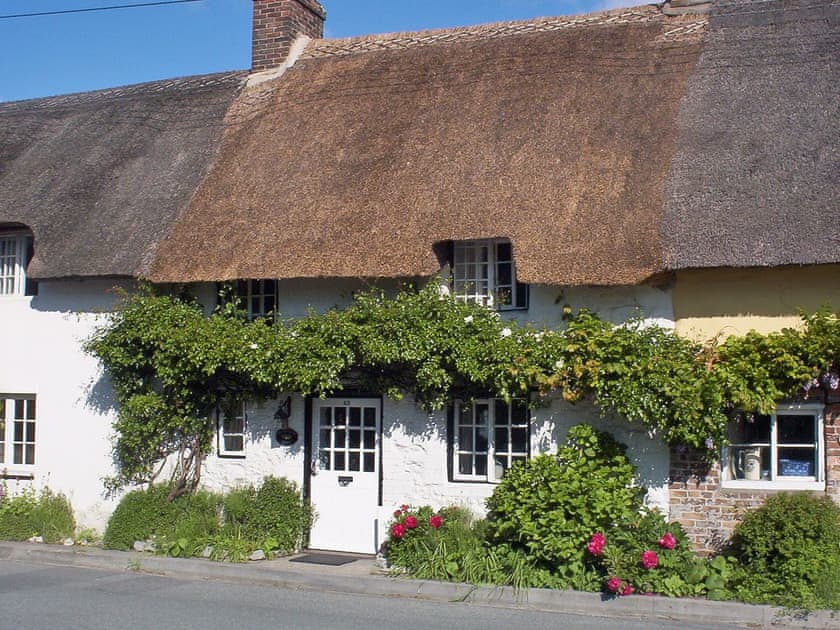
Winfrith Newburgh’s Parish Council operates alongside the Parish Council of East Knighton as one of the most local tiers of governance. As the closest level of government to residents, the parish council plays a central role in representing local interests and shaping community development. Its position allows it to act as a vital link between residents and higher authorities, ensuring that local voices are heard and reflected in decision-making processes that affect everyday life in Winfrith.
The parish council is made up of seven elected or co-opted councillors. Councillors are either elected directly by residents of Winfrith Newburgh or co-opted by the existing council should a vacancy arise. This structure helps ensure continuity while maintaining democratic representation. The councillors of Winfrith are also residents of the village, meaning they have a direct understanding of local issues and what their fellow villagers with to prioritise. This close connection to the community strengthens trust, as councillors experience first-hand the impact of decisions made at parish level.
A key way the parish council demonstrates its commitment to the community is through their public engagement. Meeting agendas, minutes, and contact information are regularly published which can be found at https://www.dorsetparishes.gov.uk/council/wnekpc/minutes-meetings-and-agendas/ this allows, residents to stay informed about current issues and upcoming discussions. Parish council meetings are usually open to the public, providing a structured forum where residents can observe decision-making and in some cases, raise concerns or contribute ideas. These meetings often address topics such as planning applications, maintenance of community spaces, and the development of local projects, all of which directly influence the character and wellbeing of Winfrith Newburgh.
One of the most significant roles of the parish council is its involvement in planning and development. Although the council does not have the power to approve or reject planning applications, it plays an important consultative role. Planning proposals are reviewed by councillors, who then submit formal feedback to the district council. This process ensures that local knowledge and community concerns, which are considered as part of wider planning decisions. By acting as an advocate for residents, the parish council helps guide development in a way that aligns with local needs and values.
Real-Life Example: Parish Council Insight and Recreational Development
On 30 October 2025, an interview was conducted with a serving member of the parish council, providing an insight into the council’s role in community development. The councillor reflected on how participation in parish governance has enabled him to remain actively engaged with community life and remain responsive to residents’ concerns. He emphasised that the parish council operates as a forum for deliberation, where community projects are debated at a local level before being advanced or supported.
This interview highlighted the importance of parish councils in enabling bottom-up development, where initiatives emerge from within the community rather than being directed solely by higher levels of government. The councillor discusses his favourite achievement whilst being part of the parish, which he names to be the introduction of a new playing field for the village. This playing field provides a range of recreational facilities, including football and cricket pitches, a pavilion, storage facilities, and a children’s play area. The constitution of the Playing Field Association also establishes a framework for future enhancement, enabling the parish council to support sustainable development that responds to changing community needs.
More broadly, the parish council acts as an intermediary between residents, voluntary organisations, and district-level authorities. This coordinating role is particularly important in rural communities such as Winfrith Newburgh, where access to resources and funding can be limited. By supporting local groups and articulating community priorities to higher authorities, the parish council helps ensure that the village is not marginalised within wider development processes.
The parish council’s consultative role in planning further illustrates its contribution to balanced community development. By formally responding to planning applications, the council helps mediate potential tensions between development and conservation, advocating for outcomes that protect the village’s character while accommodating necessary change. Although advisory, this role ensures that local knowledge is embedded within statutory decision-making processes.
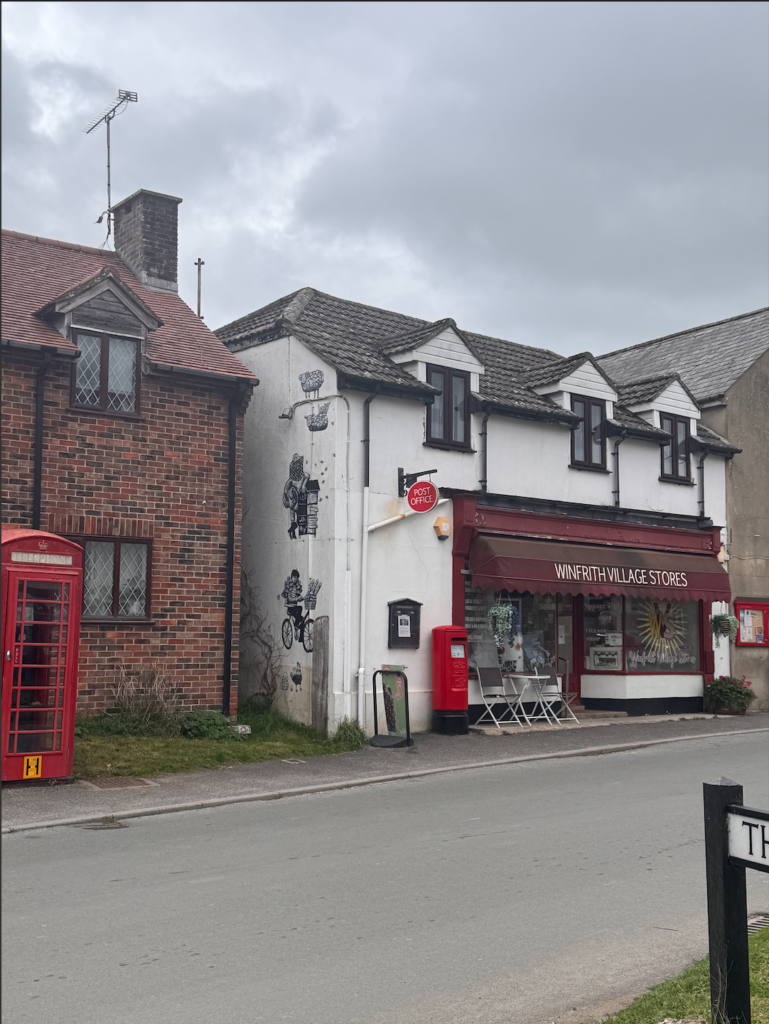
In conclusion, the parish council of Winfrith Newburgh plays a key role in community development. This interview with a parish councillor provides valuable insight into how parish-level governance operates in practice, demonstrating the importance of local discussion and participation. Through planning consultation and the management of community facilities such as the playing field, the parish council supports sustainable, community-led development. Overall, it serves as a vital mechanism through which residents’ voices are translated into meaningful action, reinforcing social cohesion and the long-term vitality of Winfrith Newburgh.
all photos used within this blog were taken by Ella Baker
Community Histories: Post-War Winfrith interview conducted by Ella Baker
Further reading on the role and importance of parish councils:
Pearce, G., and S. Ellwood. 2002. “Modernising Local Government: A Role for Parish and Town Councils.” Local Government Studies 28 (2): 33–54. doi:10.1080/714004139.
Kambites, Carol Jill. 2010. “Sustainability and Attitudes to Locality: The Discourse of Town and Parish Councillors.” Local Environment 15 (9–10): 867–78. doi:10.1080/13549839.2010.531253.
Dorset Association of Parish and Town Councils. 2026. “About Local Councils.” https://www.dorset-aptc.gov.uk/about/local-councils
Winfrith Newburgh & East Knighton Parish Council, Dorset Parishes, https://www.dorsetparishes.gov.uk/council/wnekpc/